
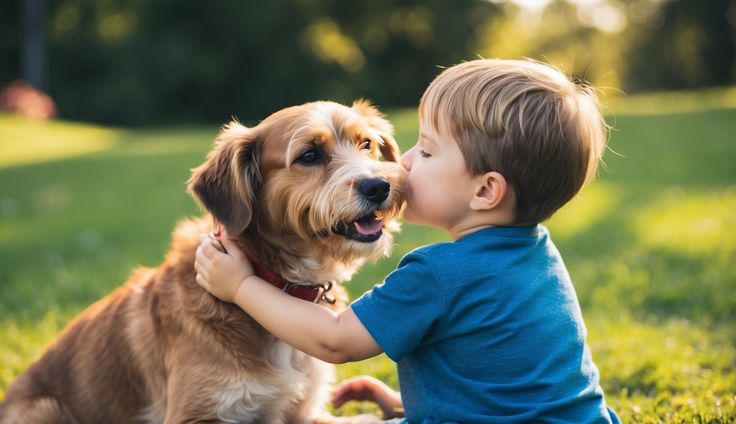
داشتن حیوان خانگی یکی از زیباترین تجربههایی است که میتواند در دوران کودکی رقم بخورد.
برای بسیاری از والدین، خرید یا پذیرش اولین حیوان خانگی برای فرزندشان تنها یک تصمیم احساسی نیست؛ بلکه فرصتی است برای آموزش عشق، مسئولیتپذیری و مهربانی به کودک.
اما واقعیت این است که هر حیوانی برای شروع مناسب نیست و انتخاب نادرست میتواند به دردسر یا حتی ترس کودک منجر شود. در ادامه با هم بررسی میکنیم که چه حیواناتی برای اولین تجربهی کودک بهتر هستند و از کدامها باید با احتیاط بیشتری استفاده کرد.
🐹 همستر؛ گزینهای کوچک، بامزه و مسئولیتآموز
همستر یکی از محبوبترین حیوانات خانگی برای کودکان است.
آنها بامزه، نرم، بیصدا و نسبتاً تمیز هستند. همسترها به مراقبت روزانه نیاز دارند، اما در عین حال هزینهی نگهداری آنها پایین است.
کودک میتواند یاد بگیرد چگونه به موقع غذا بدهد، قفس را تمیز کند و با حیوان به آرامی رفتار کند.
با این حال، باید یادآوری کرد که همسترها حیوانات ظریفی هستند و برای کودکان زیر ۶ سال مناسب نیستند، چون ممکن است در اثر فشار یا دست زدن نادرست آسیب ببینند.
اگر فرزندتان بالای ۷ سال است و شما نیز بر تعامل او با حیوان نظارت دارید، همستر انتخابی عالی برای شروع است.
🐠 ماهی؛ تجربهای آرام و آموزشی
اگر به دنبال حیوانی هستید که بیخطر، آرام و کمهزینه باشد، ماهیهای زینتی گزینهی فوقالعادهای هستند.
تماشای حرکت آرام آنها در آب به کودکان حس آرامش میدهد و در عین حال به آنها نظم و دقت در مراقبت از موجودات زنده را میآموزد.
فقط باید دقت کرد که انتخاب گونهی مناسب اهمیت زیادی دارد.
ماهیهایی مانند بتا (فایتر)، گوپی، مولی یا طلایی (گلدفیش) برای کودکان مناسبترند چون نگهداری سادهتری دارند و به تجهیزات خاصی نیاز ندارند.
اما ماهیهای حساس یا نیازمند آکواریوم بزرگ، مانند دیسکس یا آنجل، برای کودکان تازهکار مناسب نیستند.
🐱 گربه؛ دوست مهربان و اجتماعی برای خانوادهها
گربهها اغلب حیواناتی مستقل هستند اما در عین حال میتوانند با کودکان رابطهی عاطفی قوی برقرار کنند.
اگر بهدنبال حیوانی هستید که هم نوازشپذیر باشد و هم بتواند تنها بماند، گربه گزینهی مناسبی است.
البته انتخاب نژاد مناسب بسیار مهم است.
نژادهایی مانند:
- Ragdoll (رَگدال) – فوقالعاده آرام، صبور و عاشق بغل شدن
- British Shorthair (بریتیش شورتهِر) – مستقل، ولی مهربان و تحملپذیر
- Maine Coon (مینکون) – بازیگوش، صمیمی و با روحیهی دوستانه
این نژادها معمولاً رفتار ملایمتری با کودکان دارند و صبورتر از گربههای پرانرژی یا تهاجمیاند.
البته همیشه باید کودک یاد بگیرد با گربه با احترام برخورد کند، دمش را نکشد و هنگام استراحت مزاحمش نشود.
🐶 سگ؛ همراه وفادار برای کودکان بزرگتر
هیچ حیوانی مانند سگ نمیتواند حس دوستی، اعتماد و وفاداری را در کودک تقویت کند.
اما باید دانست که سگها نیاز به زمان، آموزش و مراقبت جدی دارند و برای کودکان خردسال انتخاب مناسبی نیستند.
بهترین سن برای نگهداری سگ معمولاً از ۹ یا ۱۰ سالگی به بالا است، زمانی که کودک توانایی درک و همکاری در مراقبت روزانه را دارد.
از نظر نژاد، سگهای مهربان و آرام گزینهی بهتری هستند.
برای خانوادهها و کودکان، نژادهایی مثل:
- Golden Retriever (گلدن رتریور)
- Labrador Retriever (لبرادور رتریور)
- Cavalier King Charles Spaniel (کاوالیر اسپنیل)
- Beagle (بیگل)
رفتار دوستانه، بازیدوست و صبر بالایی دارند و با تربیت درست میتوانند بهترین دوست کودک باشند.
🐰 خرگوش و 🐢 لاکپشت؛ گزینههایی که باید با احتیاط انتخاب شوند
برخلاف تصور رایج، خرگوشها برای کودکان خردسال مناسب نیستند.
اگرچه ظاهری بامزه دارند، اما موجودات حساسی هستند و استرس زیاد میگیرند.
بچهها معمولاً دوست دارند حیوانشان را بغل کنند، اما خرگوشها از این کار خوششان نمیآید و ممکن است چنگ بزنند یا فرار کنند.
بنابراین، نگهداری خرگوش برای کودکانی بالای ۱۰ سال و با نظارت والدین پیشنهاد میشود.
در مورد لاکپشتها نیز باید محتاط بود.
هرچند بیصدا و ظاهراً بیخطر هستند، اما لاکپشتهای کوچک (بهویژه لاکپشتهای آبی گوشقرمز) میتوانند ناقل باکتری سالمونلا باشند که برای کودکان خردسال خطرناک است.
علاوه بر این، نگهداری آنها نیاز به تجهیزات و مراقبت دقیق دارد.
بنابراین، لاکپشت تنها زمانی انتخاب خوبی است که کودک بزرگتر و والدین نیز پیگیر مراقبتهای روزانه باشند.
🌟 نتیجهگیری
اولین حیوان خانگی باید با سن، سطح مسئولیتپذیری و روحیهی کودک هماهنگ باشد.
برای شروع، ماهی یا همستر گزینههای ساده و آموزشی هستند.
در مراحل بعد، میتوان به گربههای آرام یا سگهای مهربان فکر کرد.
هدف اصلی این تجربه، ایجاد حس عشق، مسئولیت و احترام به زندگی است — نه صرفاً سرگرمی.
با انتخاب آگاهانه، حیوان خانگی نه تنها دوست و همبازی کودک میشود، بلکه به رشد شخصیتی و احساسی او نیز کمک میکند 💛
Best Pets for Children: Choosing the Right First Companion
Having a pet can be one of the most beautiful and meaningful experiences in a child’s life.
For many parents, bringing home a first pet is not just an emotional decision — it is also an opportunity to teach children love, responsibility, empathy, and kindness. However, not every animal is suitable for beginners, and the wrong choice may lead to stress, fear, or difficulties for both the child and the pet.
In this article, we’ll explore which pets are best for a child’s first experience and which ones require more caution and supervision.
🐹 Hamsters: Small, Adorable, and Educational
Hamsters are among the most popular pets for children.
They are cute, soft, quiet, and relatively clean animals. Hamsters require daily care, but their maintenance costs are generally low. Children can learn valuable skills such as feeding on time, cleaning the cage, and handling animals gently and respectfully.
However, hamsters are delicate creatures and are usually not suitable for children under six years old, as rough handling may accidentally injure them.
If your child is over seven years old and interactions are supervised by adults, a hamster can be an excellent first pet.
🐠 Fish: A Calm and Educational Experience
If you are looking for a pet that is peaceful, safe, and low-maintenance, ornamental fish are a wonderful choice.
Watching fish swim calmly can have a relaxing effect on children while also teaching them consistency and attention in caring for living creatures.
Choosing the right species is important. Beginner-friendly fish such as:
- Betta fish
- Guppies
- Mollies
- Goldfish
are generally easier to care for and do not require highly specialized equipment.
More sensitive species, such as Discus or Angelfish, are usually not recommended for beginners or young children.
🐱 Cats: Loving and Social Family Companions
Cats are often independent animals, yet they can form strong emotional bonds with children.
If you want a pet that enjoys affection but can also spend time alone, a cat can be a great option. Choosing the right breed is especially important.
Some child-friendly cat breeds include:
- Ragdoll — extremely gentle, patient, and affectionate
- British Shorthair — calm, tolerant, and independent
- Maine Coon — playful, friendly, and sociable
These breeds are often more patient with children compared to highly energetic or aggressive cats.
Children should still learn to treat cats respectfully by avoiding pulling their tails or disturbing them while resting.
🐶 Dogs: Loyal Companions for Older Children
Few animals can strengthen feelings of friendship, trust, and loyalty like dogs can.
However, dogs require significant time, training, and responsibility, making them less suitable for very young children.
The ideal age for a child to actively participate in caring for a dog is usually around 9 or 10 years old and older.
Gentle and patient breeds are often the best choice for families with children, including:
- Golden Retriever
- Labrador Retriever
- Cavalier King Charles Spaniel
- Beagle
These breeds are known for their friendly personalities, playful nature, and patience, making them wonderful companions when properly trained and socialized.
🐰 Rabbits and 🐢 Turtles: Pets That Require More Caution
Contrary to popular belief, rabbits are not always ideal for young children.
Although they look adorable, rabbits are sensitive animals that become stressed easily. Young children often want to hold and cuddle them frequently, but many rabbits dislike being picked up and may scratch or try to escape.
For this reason, rabbits are generally better suited for children over ten years old with parental supervision.
Turtles also require caution.
Although they appear quiet and harmless, small turtles — especially red-eared sliders — can carry Salmonella bacteria, which may be dangerous for young children.
In addition, turtles require specific equipment and careful habitat maintenance. They are best suited for older children with committed parental involvement.
🌟 Conclusion
A child’s first pet should match their age, personality, and level of responsibility.
For beginners, fish or hamsters are often simple and educational choices. Later on, calm cats or gentle dog breeds may become suitable companions.
The true purpose of introducing pets to children is not simply entertainment — it is to nurture empathy, responsibility, compassion, and respect for life.
With thoughtful choices and proper guidance, a pet can become not only a child’s friend and playmate, but also an important part of their emotional and personal growth 💛


