
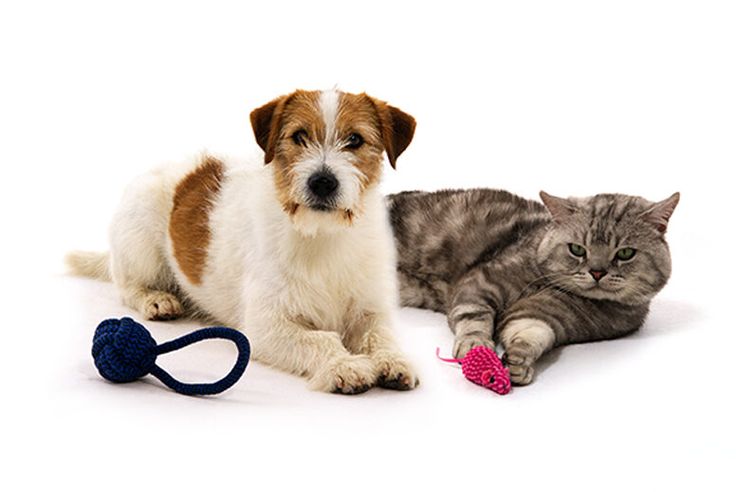
پنهانکردن اسباببازی یکی از رفتارهای رایج در حیوانات خانگی، بهویژه سگها و گربهها است. بسیاری از صاحبان حیوانات زمانی که متوجه گمشدن یا پنهانشدن اسباببازیهای محبوب حیوان خود میشوند، این سؤال برایشان پیش میآید که دلیل این رفتار چیست و آیا نشانه مشکل خاصی است یا خیر. در این مقاله با نگاهی علمی و رفتاری، دلایل پشت این رفتار را بررسی میکنیم و توضیح میدهیم که چه زمانی این رفتار طبیعی است و چه زمانی نیاز به بررسی بیشتر دارد.
۱. ریشه در غریزه بقا و ذخیرهسازی
یکی از مهمترین دلایل پنهانکردن اسباببازی، بازماندهای از غریزه طبیعی حیوانات است.
در طبیعت، سگها و گربههای وحشی برای حفظ منابع ارزشمند خود—مانند غذا، استخوان یا وسایل مورد علاقه—آنها را در مکانهای مختلف پنهان میکردند تا از دسترس شکارچیها یا رقبای دیگر دور نگه دارند.
گرگها، اجداد سگهای امروزی، غذای مازاد خود را زیر خاک دفن میکردند تا در زمان نیاز از آن استفاده کنند. گربهها نیز اشیایی که اهمیت ویژهای برایشان داشت، در مکانهای امن پنهان میکردند.
امروزه اگرچه حیوانات خانگی دسترسی ثابت به غذا و امنیت کامل دارند، اما بسیاری از رفتارهای غریزی همچنان در آنها حفظ شده است. بنابراین، اسباببازی برای حیوان نقش یک «دارایی ارزشمند» را ایفا میکند و حیوان بر اساس غریزه آن را مخفی میکند.
۲. احساس مالکیت و نیاز به امنیت
بعضی حیوانات به اسباببازی خاصی دلبستگی عاطفی پیدا میکنند و آن را مشابه یک شیء ارزشمند میبینند. در چنین شرایطی، پنهانکردن اسباببازی نوعی محافظت و نشاندهنده احساس مالکیت است.
حیوان در واقع با خود میگوید:
«این مال من است و باید در جای امن نگهش دارم.»
این رفتار بهخصوص زمانی دیده میشود که حیوان تنها یک اسباببازی خاص را پنهان میکند. چنین حیوانی ممکن است به این وسیله وابستگی بیشتری داشته باشد و مخفی کردن آن برایش راهی برای ایجاد حس امنیت باشد.
۳. واکنش به استرس یا تغییرات محیطی
استرس یکی از عواملی است که میتواند رفتار پنهانکردن را تشدید کند.
تغییر محل زندگی، ورود فرد جدید به خانه، سروصدای زیاد، جدایی از صاحب، کمبود توجه یا نگرانیهای رفتاری همگی ممکن است باعث شوند حیوان تلاش کند اشیایی که برایش ارزشمند هستند را از دسترس دور نگه دارد.
پنهانکردن اسباببازی در این شرایط برای حیوان نوعی مکانیسم مقابله با استرس است. این کار باعث میشود حیوان احساس کنترل بیشتری بر محیط داشته باشد و سطح اضطرابش کاهش پیدا کند.
اگر این رفتار بهتازگی و همزمان با تغییرات محیطی ظاهر شده، احتمالاً به استرس مرتبط است.
۴. بخشی از بازی و نیاز طبیعی به شکار یا جستجو
برای بسیاری از حیوانات، پنهانکردن اسباببازی بخشی از روند بازی است.
گربهها ذاتاً شکارچی هستند و رفتارهایی مانند حمل کردن، پنهان کردن، تعقیب و پیدا کردن، همه جزئی از سیستم غریزی «شکار و بازی» در آنهاست.
سگها نیز ممکن است اسباببازی را پنهان کنند تا بعداً آن را پیدا کنند یا از شما بخواهند آن را پیدا کنید.
بنابراین، این رفتار همیشه نشانه اضطراب یا مشکل نیست؛ گاهی فقط بخشی از سرگرمی حیوان است.
۵. جلب توجه صاحب
اگر حیوان متوجه شود که پنهانکردن اسباببازی باعث افزایش توجه صاحب میشود—مثلاً شما شروع کنید به جستجو، او را صدا بزنید یا با او بازی کنید—این رفتار میتواند به یک روش ارتباطی تبدیل شود.
در چنین مواردی، حیوان یاد میگیرد که این رفتار برایش پاداش دارد و آن را تکرار میکند.
۶. چه زمانی پنهانکردن اسباببازی طبیعی است؟
در اغلب موارد، پنهانکردن اسباببازی طبیعی، غریزی و بیخطر است. این رفتار زمانی طبیعی است که:
- حیوان همچنان فعال و شاد باشد
- رفتار وسواسی یا تکرار غیرعادی نداشته باشد
- پرخاشگری هنگام نزدیک شدن به اسباببازی نشان ندهد
- دلبستگی افراطی به اسباببازی پیدا نکند
- اشتها، خواب و خلقوخوی طبیعی داشته باشد
در این شرایط، هیچ جای نگرانی وجود ندارد و رفتار صرفاً بخشی از شخصیت حیوان است.
۷. چه زمانی این رفتار نیاز به بررسی دارد؟
اما اگر رفتار پنهانکردن با علائم زیر همراه شد، بهتر است توسط دامپزشک یا رفتاردرمانگر بررسی شود:
- پرخاشگری نسبت به افراد یا حیوانات هنگام نزدیک شدن به اسباببازی
- تکرار بیش از حد و وسواسی
- اضطراب شدید، کماشتهایی یا پنهان شدن مداوم
- وابستگی غیرمعمول به یک شیء
- تغییرات ناگهانی در خلقوخو
این علائم ممکن است نشاندهنده مشکل رفتاری، استرس شدید یا نیاز به اصلاح محیطی باشند.
۸. چگونه به کاهش رفتارهای نگرانکننده کمک کنیم؟
برای مدیریت بهتر این رفتار میتوان اقدامات زیر را انجام داد:
- چرخش اسباببازیها تا حیوان از یک وسیله بیش از حد وابسته نشود
- افزایش بازی و فعالیت بدنی برای تخلیه انرژی و کاهش استرس
- ایجاد فضای آرام و خصوصی برای حیوان
- استفاده از اسباببازیهای مناسب و ایمن
- تقویت مثبت هنگام رفتار آرام و طبیعی
این اقدامات میتوانند به تعادل رفتاری کمک کنند و جلوی وسواسی شدن رفتار را بگیرند.
جمعبندی
پنهانکردن اسباببازی در حیوانات خانگی رفتاری طبیعی، غریزی و در بسیاری موارد نشانه سلامت روان و هوش حیوان است. آنها با این کار احساس امنیت، مالکیت و کنترل بیشتری بر محیط خود پیدا میکنند.
فقط زمانی که این رفتار با علائم اضطراب، پرخاشگری یا وسواس همراه باشد باید آن را جدی گرفت. با شناخت دقیق رفتارهای حیوان و فراهمکردن محیطی امن و غنی از بازی، میتوان به ایجاد رفاه بیشتر برای حیوان خانگی کمک کرد.
Why Do Pets Hide Their Toys? A Behavioral and Scientific Explanation
Hiding toys is a common behavior in pets, especially dogs and cats. Many pet owners notice that their pet’s favorite toys often disappear or are found hidden in different places, leading them to wonder whether this behavior is normal or a sign of a problem. In this article, we take a scientific and behavioral look at the reasons behind this habit and explain when it is considered normal and when it may require attention.
۱. Instincts of Survival and Resource Hoarding
One of the main reasons pets hide their toys is rooted in natural survival instincts.
In the wild, dogs and cats would often hide valuable resources such as food, bones, or objects they considered important to protect them from predators or competitors.
Wolves, the ancestors of modern dogs, used to bury surplus food underground for later use. Similarly, wild cats would hide valuable objects in safe places.
Although domestic pets now have constant access to food and safety, many of these instinctive behaviors remain. As a result, toys can be perceived as “valuable possessions,” leading pets to hide them.
۲. Sense of Ownership and Need for Security
Some pets become emotionally attached to specific toys and treat them as valuable belongings. In such cases, hiding the toy reflects a sense of ownership and protection.
The pet may essentially think:
“This is mine, and I need to keep it safe.”
This behavior is especially common when a pet consistently hides the same toy. In such cases, the object may provide emotional comfort and a sense of security.
۳. Response to Stress or Environmental Changes
Stress is another important factor that can increase hiding behavior.
Changes such as moving to a new home, the arrival of a new family member, loud environments, separation from the owner, lack of attention, or general anxiety may cause pets to hide objects they value.
In these situations, hiding toys acts as a coping mechanism that gives the pet a sense of control over its environment and helps reduce anxiety.
If this behavior appears suddenly after environmental changes, stress is likely a contributing factor.
۴. Part of Play and Natural Hunting or Searching Behavior
For many pets, hiding toys is simply part of play behavior.
Cats are natural hunters, and actions such as carrying, hiding, chasing, and retrieving are all part of their instinctive hunting and play system.
Dogs may also hide toys as part of interactive play, either to retrieve them later or encourage their owner to search for them.
Therefore, this behavior is not always a sign of anxiety or a problem; it can simply be a form of entertainment.
۵. Seeking Attention from the Owner
If a pet learns that hiding toys results in increased attention—such as the owner searching for the toy, calling the pet, or engaging in play—the behavior can become a learned communication strategy.
In such cases, the pet repeats the behavior because it leads to a rewarding response.
۶. When Is Hiding Toys Considered Normal?
In most cases, hiding toys is a natural, instinctive, and harmless behavior. It is considered normal when:
- The pet remains active and happy
- There is no obsessive or repetitive behavior
- No aggression is shown when someone approaches the toy
- There is no excessive attachment to a single object
- Appetite, sleep, and mood remain normal
In these situations, there is no cause for concern, and the behavior is simply part of the pet’s personality.
۷. When Should This Behavior Be Evaluated?
However, if hiding behavior is accompanied by the following signs, it may require evaluation by a veterinarian or animal behavior specialist:
- Aggression when someone approaches the toy
- Excessive or compulsive repetition
- Severe anxiety, loss of appetite, or constant hiding
- Unusual attachment to a single object
- Sudden changes in behavior or mood
These signs may indicate behavioral issues, high stress levels, or environmental problems that need correction.
۸. How to Reduce Concerning Behavior
To better manage this behavior, the following strategies can help:
- Rotate toys regularly to prevent over-attachment
- Increase playtime and physical activity to reduce stress and energy buildup
- Provide a calm and safe environment
- Offer appropriate and safe toys
- Use positive reinforcement for calm and balanced behavior
These steps can help create behavioral balance and prevent obsessive tendencies.
Conclusion
Hiding toys in pets is a natural, instinct-driven behavior and often a sign of healthy cognition and intelligence. Through this behavior, animals gain a sense of security, ownership, and control over their environment.
It only becomes a concern when it is accompanied by signs of anxiety, aggression, or compulsive patterns. By understanding your pet’s behavior and providing a safe, enriched environment, you can significantly improve their well-being and quality of life.


