
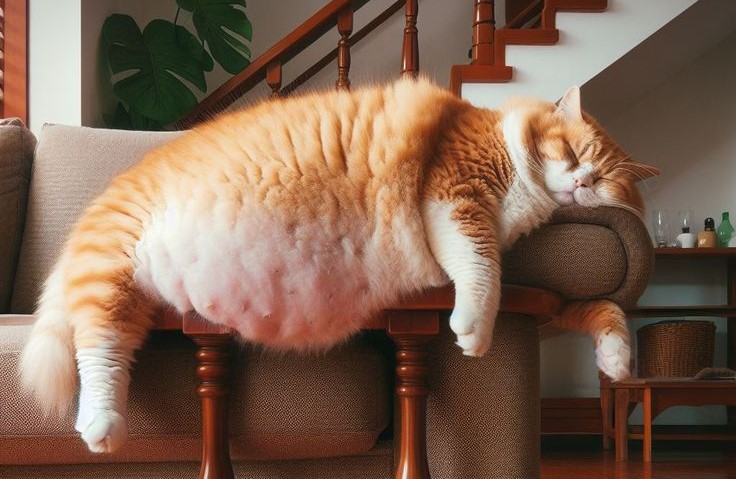
کنترل وزن حیوانات خانگی یکی از مهمترین بخشهای مراقبت از سلامت آنهاست. بسیاری از صاحبان حیوانات تصور میکنند چند گرم اضافه وزن مشکلی ایجاد نمیکند، اما اضافه وزن حتی در حد کم میتواند در طول زمان به مشکلاتی مثل دیابت، درد مفاصل، بیماری قلبی، اختلالات هورمونی و کاهش کیفیت زندگی منجر شود. سگها و گربههایی که وزن متعادلی دارند شادترند، انرژی بیشتری دارند و معمولاً عمر طولانیتری میکنند. در این مقاله تمام نکاتی که برای کنترل وزن حیوانتان نیاز دارید، به صورت علمی و کاربردی توضیح داده شده است.
چرا اضافه وزن برای حیوانات خطرناک است؟
اضافه وزن تنها ظاهر حیوان را تحت تأثیر قرار نمیدهد؛ بلکه روی کل بدن او اثر منفی میگذارد. چربی اضافی، بدن حیوان را در حالت التهاب مزمن قرار میدهد و این مسئله ریسک بسیاری از بیماریها را افزایش میدهد. بیماریهایی مانند:
- دیابت نوع دوم
- فشار به مفاصل و آرتروز
- مشکلات تنفسی
- اختلالات کبدی
- بیماریهای قلبی
- کاهش تحمل ورزشی و بیحالی
- کاهش طول عمر
بنابراین کنترل وزن فقط برای زیبایی نیست؛ برای سلامت آینده حیوان ضروری است.
وزن ایدهآل حیوان را چطور تشخیص دهیم؟
تشخیص وزن مناسب فقط با عدد روی ترازو امکانپذیر نیست. مهمترین ابزار برای این کار Body Condition Score (BCS) است؛ یک شاخص استاندارد که دامپزشکان از آن استفاده میکنند. با BCS میتوان فهمید حیوان لاغر، نرمال یا دچار اضافه وزن است.
چند معیار ساده برای ارزیابی وضعیت بدنی:
- دندهها باید زیر لایهٔ نازکی از چربی قابل لمس باشند.
- در نگاه از بالا، کمر باید مشخص باشد.
- در نگاه از کنار، یک گودی ملایم در پشت دندهها باید دیده شود.
اگر نتوانید دندهها را پیدا کنید یا بدن حیوان کاملاً گرد شده باشد، احتمال اضافه وزن زیاد است.
اندازهگیری دقیق غذای روزانه
یکی از رایجترین اشتباهها «چشمی ریختن غذا» است. مقدار غذا حتی اگر چند گرم زیادتر باشد، طی روزها و ماهها موجب افزایش وزن میشود.
برای مدیریت کالری مصرفی:
- از پیمانه استاندارد یا ترازوی کوچک آشپزخانه استفاده کنید.
- غذا را در چند وعده تقسیم کنید (۲–۳ وعده برای سگها و وعدههای کوچکتر برای گربهها).
- روی بستهبندی غذا به جدول میزان مصرف توجه کنید، اما بهطور کامل به آن تکیه نکنید؛ هر حیوان متابولیسم متفاوتی دارد.
انتخاب غذای مناسب برای کنترل وزن
غذاهای مخصوص Weight Management معمولاً کالری کمتر، فیبر بیشتر و ترکیبات متعادلی دارند که به کنترل وزن کمک میکند. فیبر بیشتر باعث میشود حیوان دیرتر احساس گرسنگی کند و کمتر به دنبال خوردن باشد. وجود پروتئین کافی نیز از تحلیل رفتن عضلات جلوگیری میکند.
اگر حیوانتان استعداد چاقی دارد—مثل گربههای خانگی کمتحرک یا بعضی نژادهای سگ مانند لابرادور—بهتر است بخشی از برنامه غذایی او شامل غذای مخصوص کنترل وزن باشد.
کنترل مصرف تشویقیها
تشویقیها یکی از مهمترین عوامل پنهان چاقی حیوانات هستند. تشویقی باید حداکثر ۱۰ درصد کالری روزانه را تشکیل دهد.
چند نکته کاربردی:
- از تشویقیهای کمچرب و کمکالری استفاده کنید.
- از تشویقیهای بزرگ یا بیسکویتی زیاد استفاده نکنید.
- برای سگها میتوان از هویج یا خیار بهعنوان میانوعده سالم استفاده کرد.
- تشویقی نباید جایگزین غذا شود.
افزایش فعالیت بدنی حیوان
سگها و گربهها مانند انسانها برای سوزاندن کالری نیاز به فعالیت دارند. کمتحرکی یکی از دلایل اصلی چاقی است.
برای سگها:
- پیادهروی روزانه ۲۰ تا ۶۰ دقیقه
- بازیهایی مثل فریزبی، توپ، دویدن کنار صاحب
- فعالیت ذهنی مثل اسنفیمت، بازیهای بویایی و پازلها
برای گربهها:
- روزانه ۱۰ تا ۱۵ دقیقه بازی فعال با اسباببازیهای تعقیب و شکار
- استفاده از درخت گربه، طبقات و فضاهای عمودی
- اسباببازیهای اتوماتیک یا لیزری برای تحریک تحرک
حتی چند دقیقه فعالیت روزانه میتواند روند کاهش وزن را سرعت بدهد.
وزنکشی منظم و ثبت تغییرات
برای اینکه بدانید برنامه غذایی مؤثر بوده یا نه، باید وزن حیوان را بهصورت منظم اندازهگیری کنید. بهتر است:
- هر ۲ هفته یکبار حیوان را وزن کنید.
- وزنها را یادداشت کنید یا در یک اپلیکیشن ثبت کنید.
- کاهش ۱ تا ۲ درصد وزن بدن در هر هفته معمولاً طبیعی و امن است.
اگر وزن کاهش پیدا نمیکند، ممکن است نیاز باشد:
- مقدار غذای روزانه کمتر شود
- نوع غذا تغییر کند
- فعالیت افزایش یابد
پرهیز از غذاهای انسانی و چرب
غذاهای سفره ما معمولاً برای حیوانات مناسب نیستند و کالری بالایی دارند. نان، برنج زیاد، چربی غذا، سیبزمینی سرخکرده و غذاهای ادویهدار میتوانند به سرعت وزن حیوان را افزایش دهند و حتی مشکلات گوارشی ایجاد کنند.
چه زمانی باید به دامپزشک مراجعه کنیم؟
اگر با وجود کنترل تغذیه و فعالیت، حیوان همچنان چاق میشود یا بالعکس بهطور ناگهانی وزن کم میکند، باید بررسی دامپزشکی انجام شود. مشکلاتی مثل کمکاری تیروئید، سندرم کوشینگ، مشکلات کبدی یا دیابت ممکن است در میان باشند.
جمعبندی
کنترل وزن حیوانات خانگی یکی از مهمترین اصول نگهداری مسئولانه است. با رعایت چند نکته ساده مثل اندازهگیری دقیق غذا، انتخاب غذای مناسب، کنترل تشویقیها، افزایش فعالیت و وزنکشی منظم، میتوانید سلامت، انرژی و طول عمر حیوانتان را تضمین کنید. وزن مناسب فقط یک عدد نیست؛ نشانهای از یک زندگی سالمتر و شادتر برای دوست کوچک شماست.
Pet Weight Management: A Complete Guide to Keeping Your Pet Healthy
Managing your pet’s weight is one of the most important aspects of maintaining their overall health. Many pet owners believe that a few extra grams or pounds are harmless, but even mild excess weight can gradually lead to serious health problems such as diabetes, joint pain, heart disease, hormonal disorders, and a reduced quality of life. Dogs and cats with a healthy weight are generally happier, more energetic, and often live longer lives. In this article, we’ll explain everything you need to know about healthy weight management for pets in a practical and science-based way.
Why Is Excess Weight Dangerous for Pets?
Excess weight does not only affect a pet’s appearance — it impacts their entire body. Extra fat places the body in a state of chronic inflammation, increasing the risk of many diseases, including:
- Type 2 diabetes
- Joint stress and arthritis
- Respiratory problems
- Liver disorders
- Heart disease
- Reduced exercise tolerance and low energy
- Shortened lifespan
Weight management is not just about appearance; it is essential for your pet’s long-term health and well-being.
How Can You Determine Your Pet’s Ideal Weight?
A healthy weight cannot be determined by the number on the scale alone. Veterinarians commonly use the Body Condition Score (BCS), a standardized method that helps identify whether a pet is underweight, ideal, or overweight.
Some simple ways to evaluate body condition include:
- The ribs should be easily felt under a thin layer of fat.
- When viewed from above, the waist should be visible.
- From the side, there should be a slight abdominal tuck behind the ribs.
If you cannot feel the ribs or your pet’s body appears overly round, they may be overweight.
Measuring Daily Food Portions Accurately
One of the most common mistakes is estimating food portions by eye. Even a small excess amount of food each day can gradually cause weight gain over time.
To manage calorie intake properly:
- Use a standard measuring cup or a small kitchen scale.
- Divide meals into multiple portions (2–۳ meals daily for dogs and smaller portions for cats).
- Follow feeding guidelines on pet food packaging, but do not rely on them completely, since every pet has a different metabolism.
Choosing the Right Food for Weight Control
Weight management diets are typically lower in calories, higher in fiber, and nutritionally balanced to support healthy weight control. Higher fiber content helps pets feel full for longer, while adequate protein helps maintain muscle mass during weight loss.
If your pet is prone to obesity — such as indoor cats or certain dog breeds like Labrador Retrievers — incorporating a weight-control diet into their feeding plan can be very beneficial.
Controlling Treat Consumption
Treats are one of the hidden causes of obesity in pets. Treats should make up no more than 10% of your pet’s daily calorie intake.
Helpful tips include:
- Choose low-fat, low-calorie treats.
- Avoid giving large biscuits or excessive snacks.
- Healthy options such as carrots or cucumbers can be suitable treats for dogs.
- Treats should never replace balanced meals.
Increasing Your Pet’s Physical Activity
Like humans, dogs and cats need regular activity to burn calories. Lack of exercise is one of the leading causes of obesity.
For Dogs:
- Daily walks for 20–۶۰ minutes
- Games such as fetch, frisbee, or running
- Mental stimulation activities like sniff mats, scent games, and puzzles
For Cats:
- ۱۰–۱۵ minutes of active play daily using chase or hunting toys
- Cat trees, climbing shelves, and vertical spaces
- Interactive or laser toys to encourage movement
Even a few minutes of daily activity can significantly improve weight-loss progress.
Regular Weight Monitoring
To know whether your pet’s weight management plan is working, regular monitoring is essential.
It is recommended to:
- Weigh your pet every two weeks
- Record weight changes in a notebook or app
- Aim for a gradual weight loss of about 1–۲% of body weight per week, which is generally considered safe
If your pet is not losing weight, adjustments may be needed, such as:
- Reducing daily food portions
- Changing the type of food
- Increasing physical activity
Avoid Feeding Human Foods and Fatty Meals
Many human foods are unsuitable for pets and contain excessive calories. Bread, large amounts of rice, fatty foods, fried potatoes, and heavily seasoned meals can quickly contribute to obesity and may also cause digestive problems.
When Should You Visit a Veterinarian?
If your pet continues gaining weight despite proper diet and exercise — or suddenly loses weight unexpectedly — a veterinary examination is necessary. Conditions such as hypothyroidism, Cushing’s syndrome, liver disease, or diabetes may be involved.
Conclusion
Weight management is one of the most important responsibilities of pet ownership. By following simple habits such as measuring food accurately, choosing appropriate diets, limiting treats, increasing activity, and monitoring weight regularly, you can help ensure your pet enjoys better health, more energy, and a longer life.
A healthy weight is not just a number on the scale — it is a sign of a healthier and happier life for your beloved companion


